







Search Results for: SL28 and SL34
A Complete Guide to Kenyan Coffee Varieties: Flavor Profiles and Pour-Over Parameters for SL28, SL34, Ruiru11, and Batian
Although Kenya and Ethiopia are both in Africa and not far apart, their coffee flavor profiles are completely different—the former is known for its sweet-and-sour notes reminiscent of dark plums, cherry tomatoes, and caramel. This uniqueness stems both from the volcanic soil at altitudes of 1,600 to 2,100 meters from the capital Nairobi to the Kenyan highlands, and from the contribution of classic varieties such as SL28 and SL34. This article will trace the evolution of Kenyan coffee varieties: from the Bourbon variety introduced by French missionaries, to the selection of SL28 and SL34 by the Scott Laboratories, to Ruiru11 developed in response to pests and diseases, and Batian, which was released in 2010. It also includes brewing suggestions and flavor descriptions for Front Street Coffee Kenya·Asalia, for the reference of coffee enthusiasts. [more…]
A Complete Guide to Kenyan Coffee Varieties: The Origins and Characteristics of SL28, SL34, Ruiru 11, and Batian
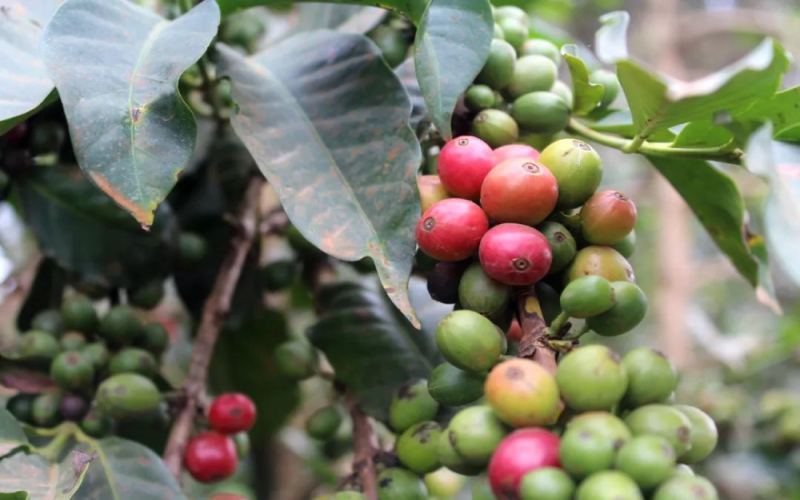
Kenyan coffee is renowned for its clean, translucent cup and bright, full-bodied fruit acidity. Behind this signature flavor lies both the gift of high altitudes and phosphorus-rich volcanic soil in the highlands, and a century of accumulated variety selection and breeding. From the Reunion Bourbon brought by French missionaries in the late 19th century, to SL28 and SL34 selected by the Scott Agricultural Laboratories from 42 lines, to Ruiru 11 and Batian developed to combat berry disease, Kenya's coffee variety history is a story of wrestling with disease, yield, and flavor. This article will outline the genetic origins, cultivation performance, and flavor differences of the main cultivated varieties, and introduce Front Street Coffee's Kenyan beans from the Thika region—selected from SL28 and SL34, processed with the K72 washed method, presenting notes of cherry tomato and dark plum. [more…]
Kenyan SL28 and SL34 Coffee Varieties Flavor Analysis: A Complete Guide from Scott Laboratories to Front Street Coffee Kenyan Beans
Kenyan coffee stands out among Africa's specialty origins for its bright and pleasant acidity, and the core that sustains its consistent quality is precisely the two unique varieties, SL28 and SL34. From the perspective of Front Street Coffee, this article traces the breeding history, genetic background, and flavor differences of SL28 and SL34, and further introduces subsequent varieties such as Ruiru11 and Batian, as well as the evolution of Kenya's green bean grading system from the traditional screen-size standard to the new comprehensive scoring system. At the end of the article, the roasting parameters and brewing suggestions for two beans, Front Street Kenya Small Tomato and Sasini PB, are provided for coffee enthusiasts' reference. [more…]
A Detailed Guide to Kenyan Coffee Varieties SL28 and SL34: Flavor Characteristics, Bean Origins, and Grading System
Kenyan coffee stands out among Africa's specialty regions with its bright and pleasant acidity, and behind this consistent quality lies the support of two iconic varieties: SL28 and SL34. This article, from the perspective of Front Street Coffee, traces the breeding history and variety characteristics of SL28 and SL34, compares their similarities and differences in flavor expression, and extends the discussion to later-developed varieties such as Ruiru11 and Batian. At the same time, the article will systematically explain Kenya's coffee bean grading system, including the traditional size-based classifications of AA, AB, and PB, as well as the new quality grading procedures established by the Kenya coffee research institute. Finally, it includes detailed information, roasting parameters, and brewing suggestions for two Front Street beans—Kenya Asalia and Sachini PB—for coffee enthusiasts' reference. [more…]
Kenya SL28 and SL34 Coffee Varieties Explained and a Full Overview of Flavor Differences Between AA and AB Grades
Kenyan coffee stands out among Africa's specialty origins for its bright and delightful acidity, and the core that sustains its consistent quality is precisely the two signature varieties, SL28 and SL34. In this article, Front Street Coffee (FrontStreet Coffee) systematically sorts out the varietal origins of Kenyan coffee: from the selection process at the Scott Laboratories, to the genetic classification and bean appearance differences of SL28 and SL34, and on to the later Ruiru 11 and Batian. The article also provides a detailed interpretation of the green bean grading system that Kenya still uses today, explaining that the difference between AA and AB lies mainly in bean size rather than flavor quality, and includes complete information, roasting curves, and brewing suggestions for Front Street's two beans, Kenya Asaliya and Sachini PB, to help coffee enthusiasts fully understand the flavor logic of Kenyan coffee. [more…]
Where does the classic flavor of Kenyan SL28 and SL34 come from? Is Ruiru a coffee variety?
Kenyan coffee is renowned worldwide for its bright, uplifting fruit acidity and full, rich, juicy body, and SL28 and SL34 are the core varieties that shape this classic style. These two varieties, bred by the Scott Laboratories, have become stars of the specialty coffee world thanks to their complex flavors of dark plum, citrus, and stone fruit. However, their vulnerability to leaf rust and coffee berry disease gave rise to the later, more disease-resistant Ruiru 11 and Batian. This article will systematically trace the evolution of Kenyan coffee varieties—from their origins and flavor characteristics to cultivation performance and current market status—and answer the question of whether Ruiru is a coffee variety. [more…]
A Complete Guide to Kenyan Coffee Varieties: The Historical Origins and Flavor Characteristics of SL28, SL34, and Ruiru 11
Kenyan coffee is renowned worldwide for its bright fruit acidity and thick, juicy body, and SL28 and SL34 are the core varieties that shape this classic flavor. These two varieties were developed by the Scott Laboratories over nearly three decades and released in the 1950s, profoundly influencing the landscape of Kenya's coffee industry. However, the threat of pests and diseases gave rise to new varieties such as Ruiru 11 and Batian. This article will trace the origins, flavor characteristics, and current cultivation status of these varieties, and introduce the variety information of Front Street Kenya Asalia coffee beans, taking you deep into the world of Kenyan coffee varieties. [more…]
Kenya SL28 and SL34 Coffee Varieties Explained: Flavor Differences, Variety Advantages, and Grading System
Kenyan coffee stands out among Africa's specialty producing regions with its bright and pleasant acidity, and the core that underpins its consistent quality is precisely the two local varieties, SL28 and SL34. In this article, Front Street Coffee will systematically review the origins, botanical characteristics, and flavor differences of these two varieties, while also introducing later-developed varieties such as Ruiru11 and Batian, as well as the ins and outs of Kenya's green bean grading system. In the latter part of the article, we will also share the roasting parameters and brewing suggestions for two Front Street coffees, Kenya Small Tomato and Sachini PB, for coffee enthusiasts to reference and put into practice. [more…]
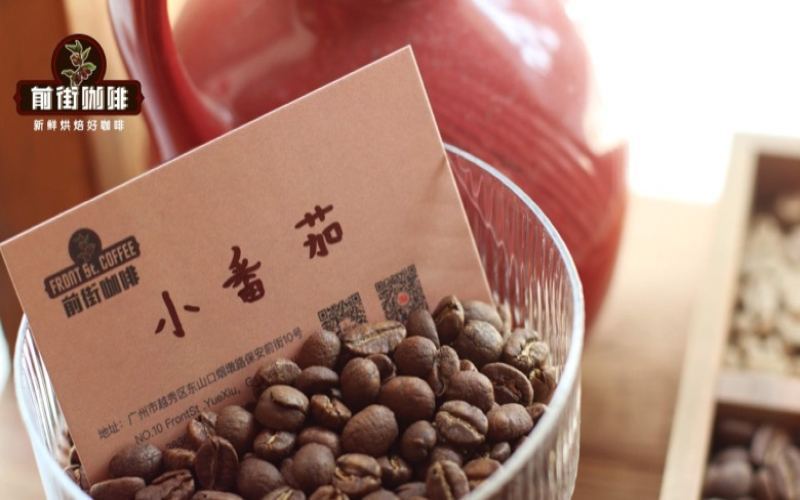
SL28 and SL34: The Legendary Varieties from Kenya's Laboratory
In the world of specialty coffee, few varieties encapsulate a country's technical ambition and terroir expression in two numbers the way SL28 and SL34 do. Their acidity is bright as berry juice, their sweetness rich with blackcurrant notes, and together they have all but defined the "Kenyan taste." This legendary [more…]

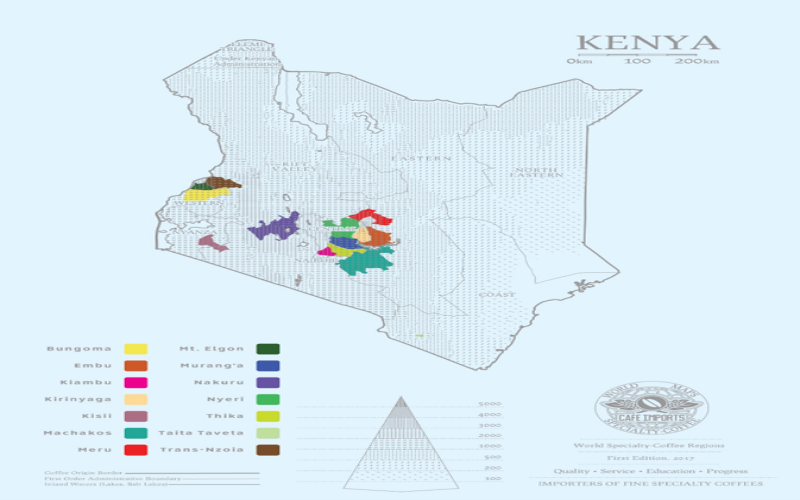
A Complete Guide to Kenyan Coffee Regions: Tracing the Origins of the SL Series Varietals and the Flavor Characteristics of K72 Washed Processing
Kenyan coffee has long been renowned worldwide for its distinct fruity aromas, bright acidity, and multi-layered mouthfeel, making it an irreplaceable classic origin in the hearts of many coffee lovers. This article will systematically outline the lineage of Kenyan coffee varieties—from SL28 and SL34 to the breeding history of Batian and Ruiru11—explain in detail the 72-hour cyclic fermentation process of the K72 washed processing method, and introduce one by one the terroir characteristics and cupping performance of six major production regions: Thika, Kirinyaga, Nyeri, Kiambu, Muranga, and the western side of Mount Kenya. At the same time, it brings the detailed parameters and flavor descriptions of two Front Street single-origin Kenyan coffees—Sasini Estate PB and Athalia—providing coffee enthusiasts with a complete cognitive framework and purchasing reference for Kenyan coffee. [more…]
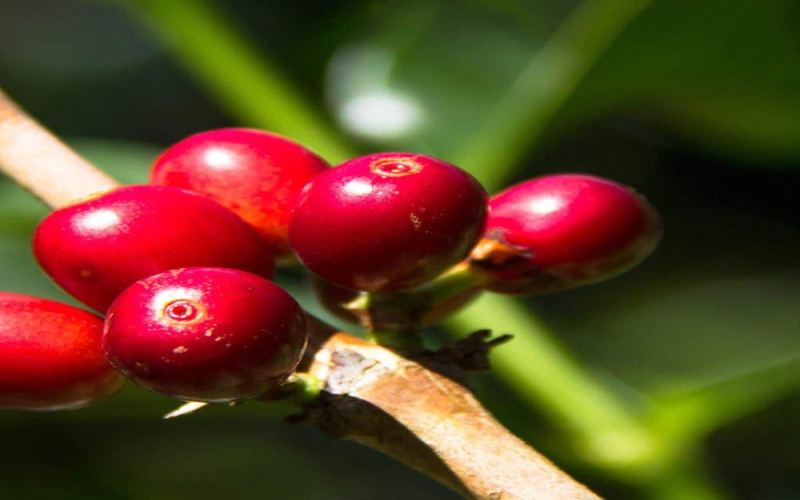
An Analysis of Kenyan Coffee Bean Flavor Characteristics: Tracing the Origins of SL28 and SL34 Varieties, Historical Evolution, and Pour-Over Brewing Parameters
Kenya, as a representative producing country of African specialty coffee, is renowned for its coffee's intense acidity and vivid juicy character, often described as having a cherry tomato-like taste experience. This article systematically outlines the geographical distribution and harvest rhythm of Kenya's six major coffee regions, with a focus on tracing the breeding history and genetic origins of the two classic varieties SL28 and SL34, while also introducing the characteristics of later-developed varieties such as Ruiru11 and Batian. In addition, the article covers Kenya's coffee grading system, the unique triple-cycle fermentation washing process (K72), and Front Street Coffee's brewing parameters and flavor description for Kenyan Asaliya coffee beans, providing coffee enthusiasts with a complete understanding from origin to cup. [more…]
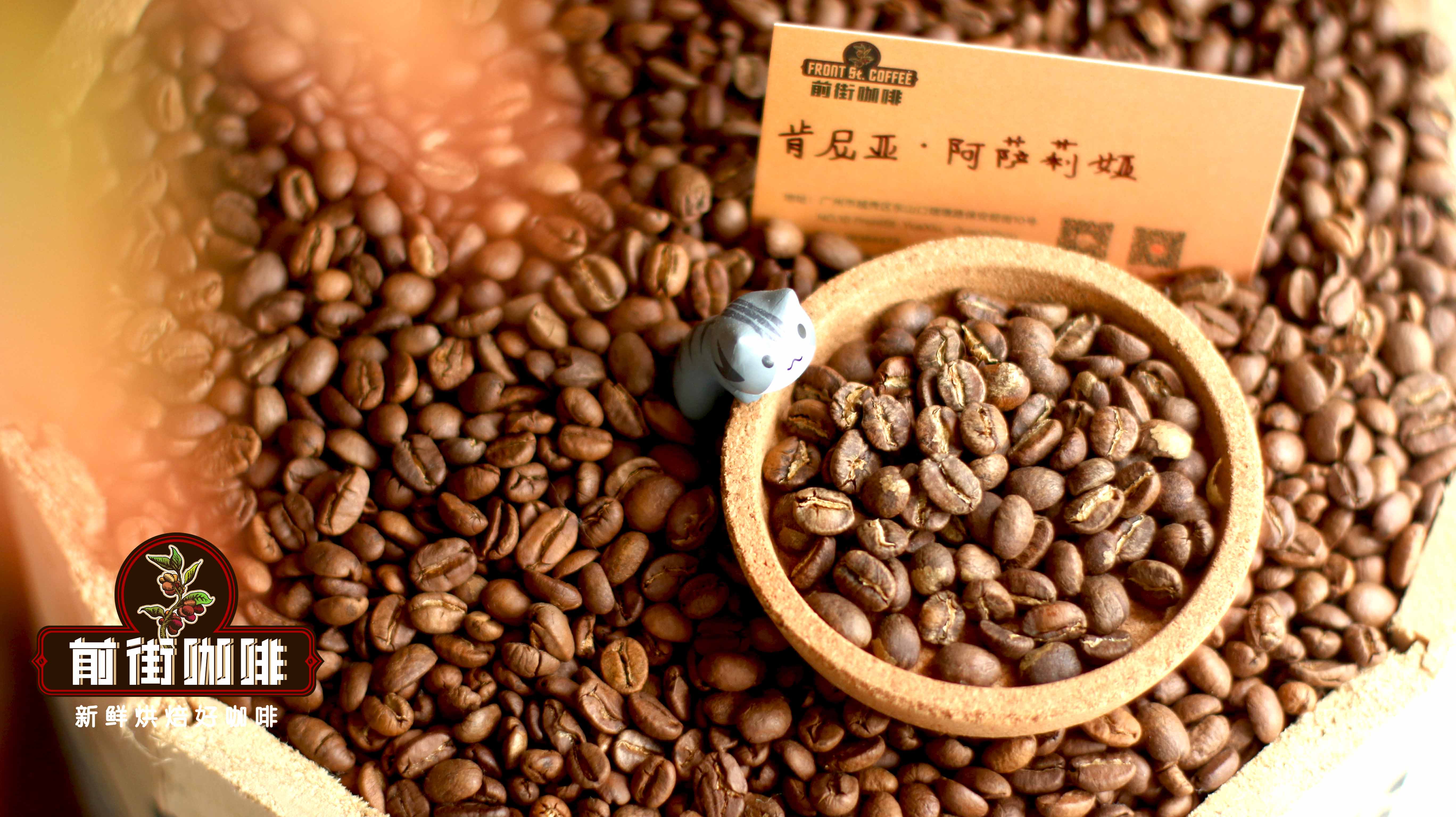
Complete Guide to Kenyan Coffee Beans: A Flavor Guide to Ten Washed Coffees and Pour-Over Parameters Explained
Kenyan coffee is renowned worldwide for its bright fruit acidity, full-bodied berry notes, and distinctive smoked plum flavor. This article systematically reviews the origins, altitudes, grades, and flavor profiles of ten Kenyan washed coffee beans, offers an in-depth interpretation of the K72 washing process and the origins and performance of the SL28 and SL34 varieties, and provides a detailed introduction to the brewing method for Front Street Coffee's Kenyan Cherry Tomato coffee beans, including practical content such as V60 dripper selection and three-stage extraction parameters, offering coffee enthusiasts a complete reference for Kenyan coffee tasting and brewing. [more…]

Kenya AA Coffee Beans | Introduction to Kenyan Coffee Varieties SL28, SL34 and Their Flavor Characteristics
Just as different grape varieties produce wines with vastly different flavors, the variety of coffee beans is also one of the key factors influencing the flavor of the coffee in your final cup. Panama's T2722 Geisha is the best example—it has drawn widespread attention for its white floral aromas and citrus fruit notes. And today, Front Street Coffee wants to share [more…]
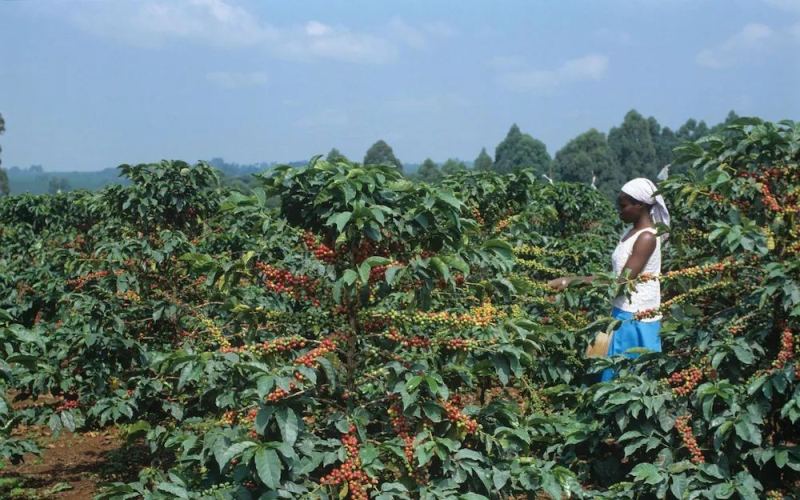
Why Is Kenyan Coffee Acidity So Intense? Unraveling the Secrets of the K72 Processing Method and the SL28 and SL34 Varieties
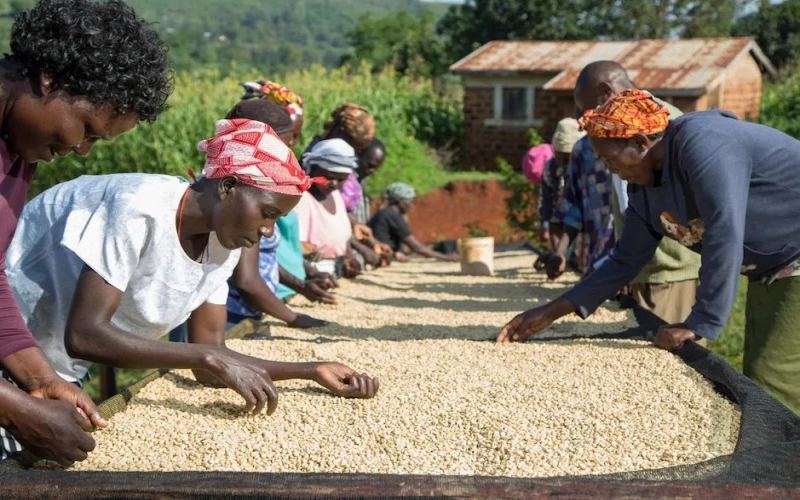
Kenyan coffee stands out in the world coffee landscape with its distinct and intense acidity, contrasting with the crisp and bright style of neighboring Ethiopia. This unique flavor is inseparable from the phosphoric acid-rich volcanic ash soil of the Kenyan highlands, the carefully selected SL28 and SL34 varieties, and the renowned K72 washed processing method. This article will delve into the sources of Kenyan coffee's acidity, dissecting its flavor code layer by layer—from the geographical environment and the history of variety selection to the 72-hour fermentation process. At the same time, we will introduce a Kenyan bean from Front Street Coffee, sourced from the Salia factory in the Thika region, featuring SL28 and SL34 varieties, processed with the K72 washed method, presenting bright acidity reminiscent of cherry tomatoes and smoked plums, along with a sugarcane-like sweetness. [more…]
Exploring Kenya Nyeri Windrush Estate AA+++ Micro-Lot: The Flavor Code of 72-Hour Washed SL28/SL34
Kenyan coffee is famous for its seven major producing regions, and among them, Nyeri—thanks to the red soil of the extinct volcano Mount Kenya—produces what is widely recognized as the finest coffee. The Windrush Estate in this region has released an AA+++ micro-lot, using the classic Kenyan 72-hour fermentation washed method (K72) and cultivating the two major varieties SL28 and SL34. This article will guide you through the terroir conditions of the Nyeri producing region, the repeated fermentation details of the K72 processing method, the lineage and flavor characteristics of SL28 and SL34, and the specific information about this micro-lot—smoked plum, cinnamon, raisins, juicy mouthfeel, and an Earl Grey tea-like finish—to experience the Kenyan flavor selected by Front Street Coffee. [more…]
Kenya Thika Region Asali Processing Plant: Flavor Analysis of SL28 and SL34 Coffee Beans
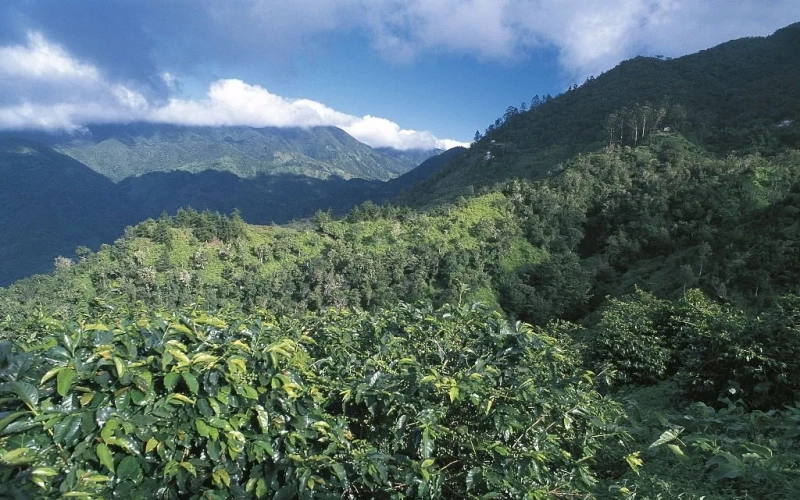
Kenya is an important representative of African specialty coffee, and its Thika region is renowned for its distinct tomato-like flavor and excellent acidity. Located in the Aberdare Mountains, the Asali Processing Station employs Kenya's signature K72 washing process, paired with the local main varieties SL28 and SL34, presenting a complex flavor interweaving cherry tomatoes, smoked plums, berries, and citrus. This article will guide you through Kenya's geographical and climatic conditions, the cultivation characteristics of the Thika region, the 72-hour fermentation process at the Asali Processing Station, and the origins and flavor profiles of SL28 and SL34, as well as sharing Front Street Coffee's brewing recommendations. [more…]
A Complete Analysis of Kenyan Specialty Coffee Flavors and Varieties: From SL28 and SL34 to the Cup Profile of K72 Washed Processing
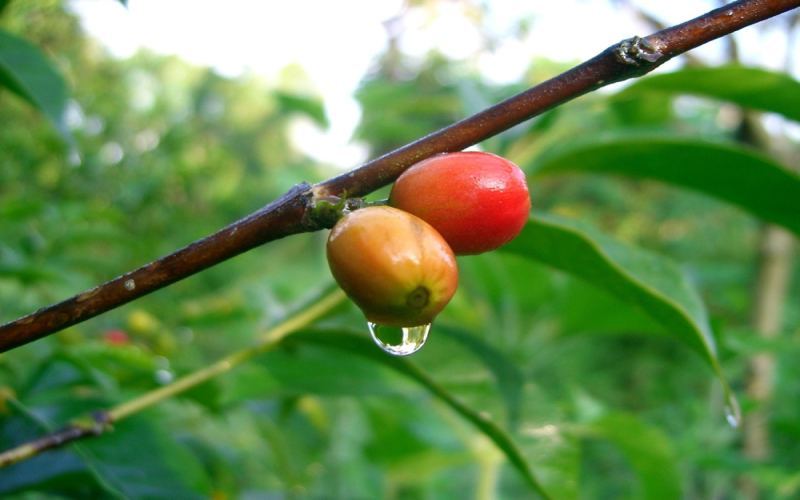
Kenya is a major specialty coffee producer in East Africa, known for its bright fruit acidity, full body, and distinctive flavors. This article systematically reviews Kenya's coffee-growing regions, cultivation altitudes, variety evolution, and trading system, with a focus on the origins and characteristics of the two representative varieties, SL28 and SL34, and an analysis of the cause behind Kenya's signature flavor—the 72-hour washed fermentation process. At the end, product information and pour-over parameters for Front Street Coffee's Kenyan Little Tomato coffee beans are provided for coffee enthusiasts' reference. [more…]
Kenyan Coffee Bean Varieties and Flavor Analysis: The Impact of SL28, SL34, and the K72 Washed Process on Taste
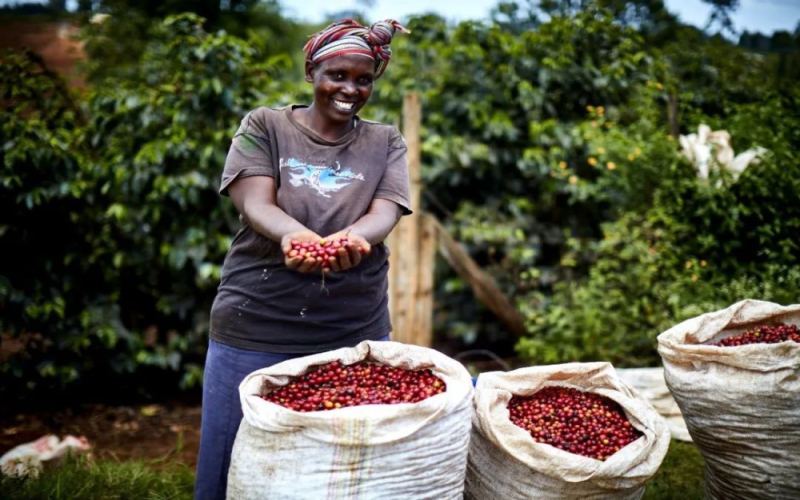
Kenyan coffee is renowned for its bright acidity and complex flavors. Its distinctive taste stems from the two major varieties, SL28 and SL34, and the Kenyan-style 72-hour fermentation washed processing. From the perspective of Front Street Coffee, this article systematically introduces the varietal origins, flavor differences, and washed processing characteristics of Kenyan coffee, and, using Asalia coffee beans as an example, shares in detail a light roast approach and V60 pour-over parameters, including water temperature, coffee-to-water ratio, grind size, and staged pouring steps, helping coffee enthusiasts understand the sweet-and-sour layers and brewing key points of Kenyan coffee. [more…]
Kenya Thika Region Asali Processing Plant: An In-Depth Analysis of SL28 and SL34 Varieties and the K72 Washing Method
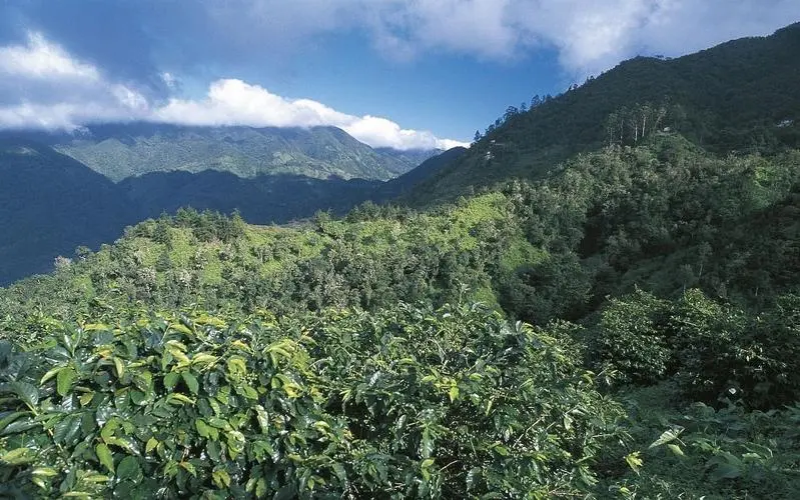
Kenya, as an important representative of African specialty coffee, produces uniquely flavored coffee thanks to its high equatorial altitude and volcanic soil. This article focuses on the Asali Processing Plant in the Thika region, outlining the breeding background and flavor differences of the two major varieties SL28 and SL34, and explaining in detail Kenya's signature K72 washed processing method. It also presents the complete parameters and brewing performance of Front Street Coffee Asali AA TOP, whose layered notes range from cherry tomato to smoked plum, showcasing the typical charm of Kenyan coffee's bright acidity and clean mouthfeel. [more…]
Kenya Coffee Full Analysis: From SL28 and SL34 Varieties to Six Major Regions and the K72 Washed Processing Method
Kenya is located in the equatorial zone of East Africa, bordering the Indian Ocean to the east, Ethiopia to the north, and Tanzania to the south, making it a pivotal specialty coffee-producing country in Africa. Its coffee is world-renowned for its bright fruit acidity, full body, and distinctive berry notes. This article systematically reviews Kenya's coffee-producing regions, variety evolution, and processing techniques, covering the characteristics of major varieties such as SL28, SL34, and Ruiru 11, detailing the terroir differences among six major producing regions including Nyeri and Kirinyaga, and introducing the Kenyan-style 72-hour washed processing method as well as Front Street Coffee's brewing recommendations, providing coffee enthusiasts with a complete knowledge map of Kenyan coffee. [more…]